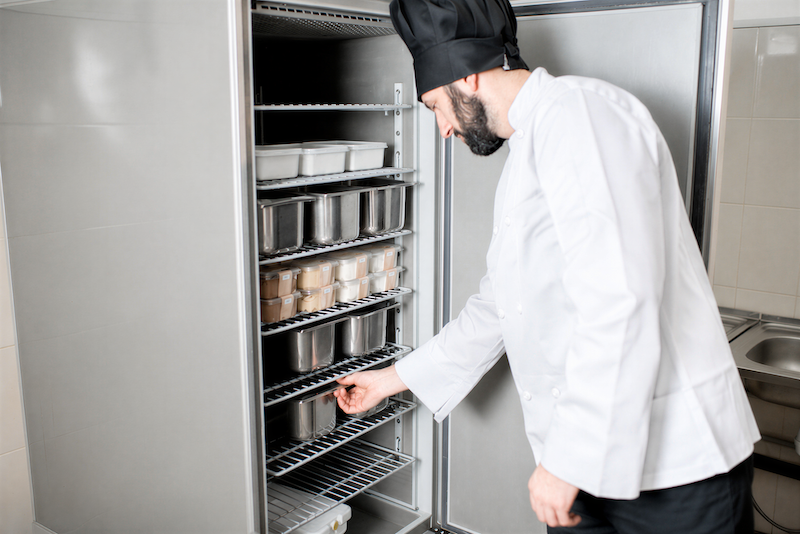
For restaurants, cafés, bakeries, grocery stores, bars, and other food-oriented businesses, refrigeration is a critical part of daily operations. A walk-in cooler or freezer failure can quickly turn into thousands of dollars in spoiled inventory, lost revenue, and unexpected repair costs. Would your business be able to absorb that kind of out-of-pocket loss?
Many business owners assume their Commercial Property Insurance would automatically cover a refrigeration breakdown, but coverage depends on what caused the loss and what endorsements are included in the policy. Understanding your options before an emergency happens can help you avoid a costly surprise.
In our latest Aegis blog post, we discuss the Business Insurance options that can help if you lose your commercial refrigeration, and how Aegis Insurance & Financial Services supports and strengthens businesses like yours.
A failed refrigerator or freezer may seem like a basic equipment problem, but the financial impact on your business can be significant. Your restaurant or hospitality business likely needs to keep large amounts of food, beverages, and raw ingredients at the proper temperature.
A single overnight failure could result in:
Restaurants operate on tight margins, so losing several days of inventory can create a serious financial setback that your business might not easily recover from.
Many business owners believe that if their refrigerator or freezer stops working, their Commercial Property Insurance will pay for the loss. However, traditional property coverage is generally designed to respond to sudden events such as fire, theft, wind, or certain types of storm damage. Mechanical and electrical failures may require separate Business Insurance protection.
Equipment Breakdown Coverage is designed to help protect businesses from losses involving essential equipment, including refrigeration systems, HVAC units, ovens, electrical systems, and other specialized machinery.
Depending on the policy, this coverage may help with:
When you have the right kind of equipment and business insurance coverage in place, it makes your downtime much shorter and improves your ability to make a full financial recovery.
Having quality Commercial Insurance coverage is important, but managing your risks proactively can also help prevent expensive disruptions.
Business owners should consider:
It is also important to understand how your policy responds to food spoilage, equipment damage, and lost income before you need to file a claim.
A refrigeration failure is one of those problems many business owners don’t think about until they’re standing in front of a freezer full of spoiled inventory. Having the right insurance coverage can help reduce the financial impact and let you focus on getting your business back to normal.
Whether you operate a restaurant, café, bakery, bar, or food-related business with temperature-sensitive products, reviewing your equipment-related coverage is an important part of protecting your investment.
When your restaurant or hospitality business needs reliable Commercial Insurance, Aegis Insurance & Financial Services can help. With decades of experience working with restaurant owners and hospitality businesses, we understand the unique risks that come with running a food service or hospitality operation.
Our Commercial Insurance experts can help you find the right insurance solution your growing business. We’ll help identify potential liability risks, uncover gaps in your existing coverage, and develop an insurance strategy that fits your needs and budget.
From equipment failures to property damage and employee injuries to lawsuits, having the right insurance can make all the difference. Aegis is here to help you protect your business, your employees, and the investment you’ve worked hard to build.
Contact Aegis Insurance & Financial Services at 713-850-7622 for more information or to schedule a consultation with our Commercial Insurance agents.
Call Us TODAY!
713-850-7622